

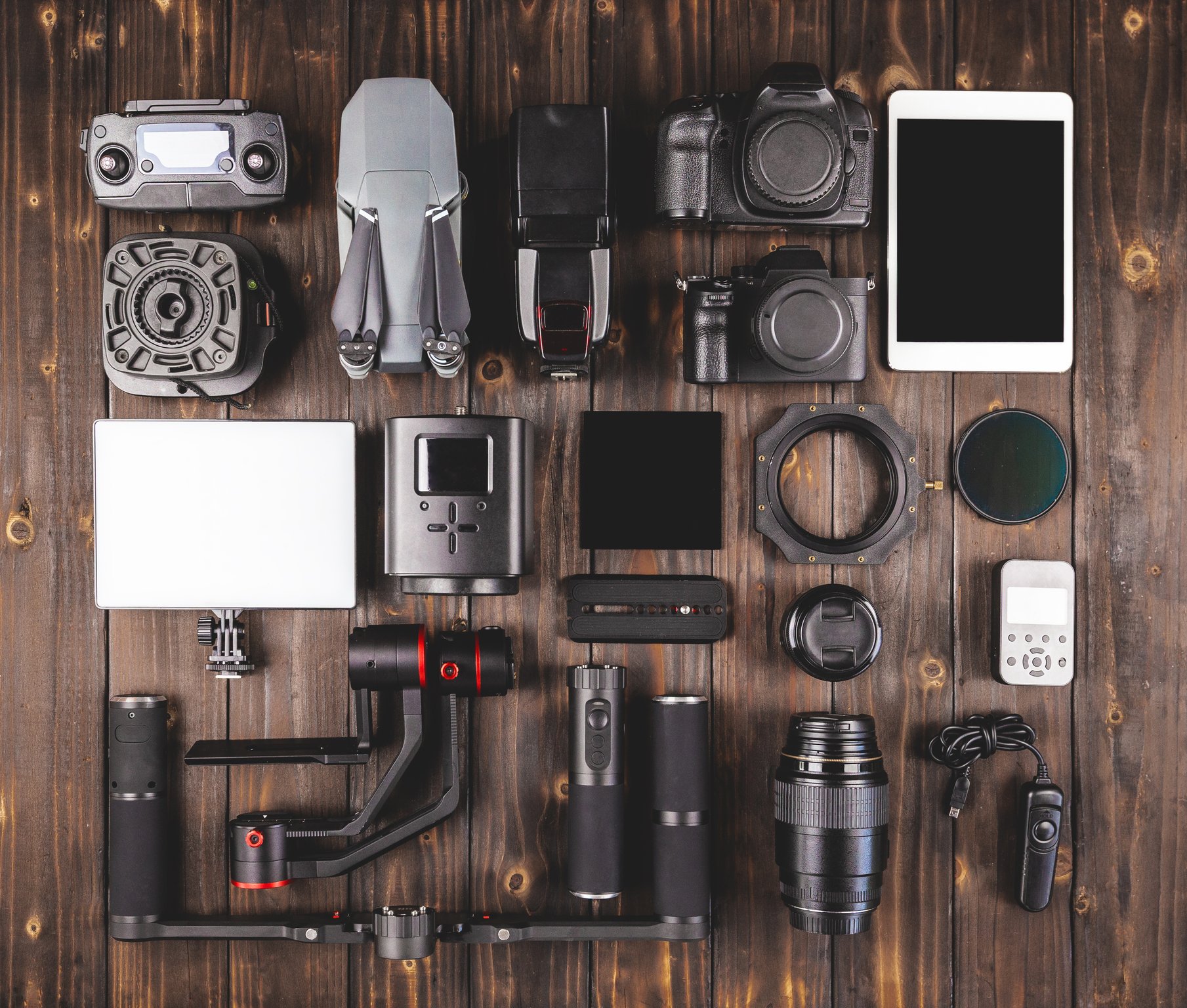
Imagine watching your favorite movie. Instead of perfect actions shots or serene scenes, you see a movie with blurry images, shaky scenes, and bad lighting. Doesn't sound too fun, right?
The secret behind great movies and videos is top-notch video production equipment. People love watching stunning and professional-looking videos, but it is easier said then done.
Are you dreaming of making films? Are you a content creator? Or are you a business wanting to grow online?
Regardless of your goals, it's key to know all about video production equipment.
Let your creativity soar with each frame you capture. Here, every scene comes to life with clear, precise, and brilliant visuals. Your journey in making wonderful videos starts now!
The Cornerstone of Quality Videos: Video Cameras
Ever wondered what's at the heart of every stunning video? It's the video camera!
Choosing the right video camera is like picking the perfect paintbrush for a masterpiece. It's where the journey to creating quality videos begins.
DSLR Cameras
DSLR cameras are best for both photography and high-quality video shooting. They have large sensors which allow you to capture beautiful images with a blurred background. But they can be bulky and have limited audio options.
Action Cameras
For those who love adventure and want to shoot on the go, action cameras are the perfect choice. They are small, rugged, and often waterproof.
They might not offer the same image quality as other cameras, but they are great for capturing action and travel videos.
Smartphone Cameras
Don't forget your smartphone! Today's smartphones have excellent camera features and are always with you. They are good for vlogging and on-the-go shooting.
They might not have all the features of a professional camera, but they are handy and always accessible.
Tips for Selecting the Right Video Camera
First, think about what kind of videos you want to make. Different cameras have different strengths.
For example, action cameras are great for on-the-go shooting while DSLRs offer high-quality footage. So, it's important to pick a camera that suits your video projects.
Budget is another crucial factor. Decide how much you want to spend. This will help narrow down your options.
Another tip is to consider the camera's features. Check if the camera has manual settings and good autofocus.
Think about its battery life, too. A camera with a short battery life might not be good for long shoots.
Also, think about the camera's size and weight. If you plan to shoot while traveling, a smaller and lighter camera might be a better choice.
Finally, do research and read reviews. This will give you a clearer idea of the camera's performance and reliability.
Illuminate the Scene with Perfect Camera Lighting
Lights, Camera, Action! You often hear this on movie sets. But did you know that "lights" come first for a reason?
Proper camera lighting is essential for making quality videos. It ensures that your scenes are bright and clear. It also helps in setting the mood of your video.
Different Types of Camera Lighting
In the world of video production equipment, various types of lighting tools are used. Softboxes disperse light, reducing shadows and creating a soft, even light. This is great for interviews or close-up shots.
LED lights are another popular choice. They don't heat up and can be adjusted to your needs. Ring lights are perfect for vlogs or beauty videos, offering even lighting directly on the subject's face.
Achieving Professional-Looking Videos
To achieve professional-looking videos, mastering the use of camera lighting is key. Understand the three-point lighting setup which is a standard in the industry.
It uses a key light, fill light, and back light to fully illuminate the subject. This technique reduces harsh shadows and highlights the subject properly.
When shooting outdoors, make the most of natural light. Plan your shoots early in the morning or late in the afternoon for softer lighting. Use reflectors to bounce back light onto your subjects, ensuring they are well-lit.
The Role of Proper Lighting
The right lighting does more than just brighten up your scenes. It helps in telling your story and conveying emotions. It's as vital as having the best video production equipment and video cameras. Poor lighting can distract viewers and reduce the quality of your videos.
Stabilize Your Shots: Exploring Tripods and Gimbals
Shaky footage can quickly ruin the impact of your videos. To make sure your audience enjoys a smooth and professional viewing experience, you need to stabilize your shots. This is where tripods and gimbals come into play.
The Magic of Tripods
Tripods are the steady hands behind the camera. They offer a stable platform for your video cameras, preventing the jittery movements that often result from handheld shooting. Whether you're capturing a scenic landscape or conducting an interview, a tripod keeps your shots steady and your footage smooth.
Mastering the Gimbal Game
Gimbals take stabilization to the next level. These handheld devices use advanced technology to eliminate even the slightest shakes and jitters.
They allow you to capture fluid, cinematic shots while on the move. Gimbals are a favorite among videographers for shooting dynamic scenes, such as action sequences or fast-paced vlogs.
Choosing the Right Support Equipment
Selecting between a tripod and a gimbal depends on your shooting style and needs. If you're primarily working with stationary shots or have a limited budget, a tripod is an excellent choice. On the other hand, if you aspire to create dynamic, motion-filled videos, investing in a gimbal is worth considering.
Remember, the quality of your videos is greatly influenced by the stability of your shots. Even the best video production equipment and cameras can't compensate for shaky footage.
Sound Matters: Choosing the Right Microphones
When it comes to video production equipment, it's easy to get caught up in the visuals, but don't forget that sound matters just as much. High-quality audio can make or break your videos, so selecting the right microphone is crucial.
Exploring Different Types of Microphones
Shotgun Microphones are ideal for capturing sound from a specific direction. They are great at isolating your target audio while minimizing background noise. However, they tend to be larger and require precise aiming.
Lavalier Microphones (Lav Mics), small and discreet, are perfect for:
- Interviews
- Vlogs
- Presentations
They offer hands-free recording but may pick up rustling sounds if not correctly positioned.
USB Microphones are great for podcasting and voiceovers. These microphones offer plug-and-play convenience for direct computer recording. They are, however, limited in range and might not be the best choice for field recordings.
Condenser Microphones deliver exceptional audio quality, making them suitable for studio settings and professional voice recording. They capture subtle nuances, but they require an external power source (phantom power) and are less portable.
In video production, quality audio isn't just about what you hear. It's about how it makes you feel. Clear and well-balanced audio enhances the viewer's experience, drawing them deeper into your content.
Post-Production: Editing Software and Equipment
Now that you've mastered the art of capturing quality video and audio with the right equipment, it's time to dive into the world of post-production. Editing is where your raw footage and recordings transform into polished, engaging videos. To achieve this, you'll need the right editing software and equipment.
For Beginners
Video editing software comes in various flavors, catering to different skill levels and needs. For beginners, options like iMovie (for Mac users) or Windows Movie Maker (for Windows users) offer user-friendly interfaces and simple features. These are great starting points for those new to video editing, allowing you to create basic edits and learn the ropes.
Intermediate Software
If you're looking to take your editing skills up a notch, consider intermediate editing software like:
- Adobe Premiere Pro
- Final Cut Pro (for Mac users)
- DaVinci Resolve
These platforms offer a broader range of features, providing more creative control over your projects. They are suitable for users with some editing experience who want to explore advanced techniques.
For the Pros
For seasoned editors and professionals, there are professional editing software options such as Adobe After Effects and Avid Media Composer.
These tools are industry-standard and offer the most advanced features and capabilities. They are ideal for professionals who require precision and flexibility in their video editing work.
Not Just the Software
The right software tools are crucial. However, without the right hardware, your post-production is essentially useless.
Your post-production toolkit should include hardware equipment like:
- High-performance computers
- External hard drives for storing large video files
- High-resolution monitors for accurate color grading
Investing in these elements can significantly enhance your editing workflow and help you create top-quality videos.
Elevate Your Videos with the Right Video Production Equipment
Remember, it's not just about the gear; it's about the stories you tell and the emotions you evoke. Quality video production equipment empowers you to bring your creative visions to life, making your videos shine bright and leave a lasting impact on your audience.
Ready to take your video production to the next level? Reach out to Viva Media in Toronto, where experts are dedicated to transforming your ideas into stunning visual narratives.
Let's turn your vision into reality together. Contact us at Viva Media now!




.svg)
.svg)
.svg)
.svg)
.svg)
.svg)
.svg)