

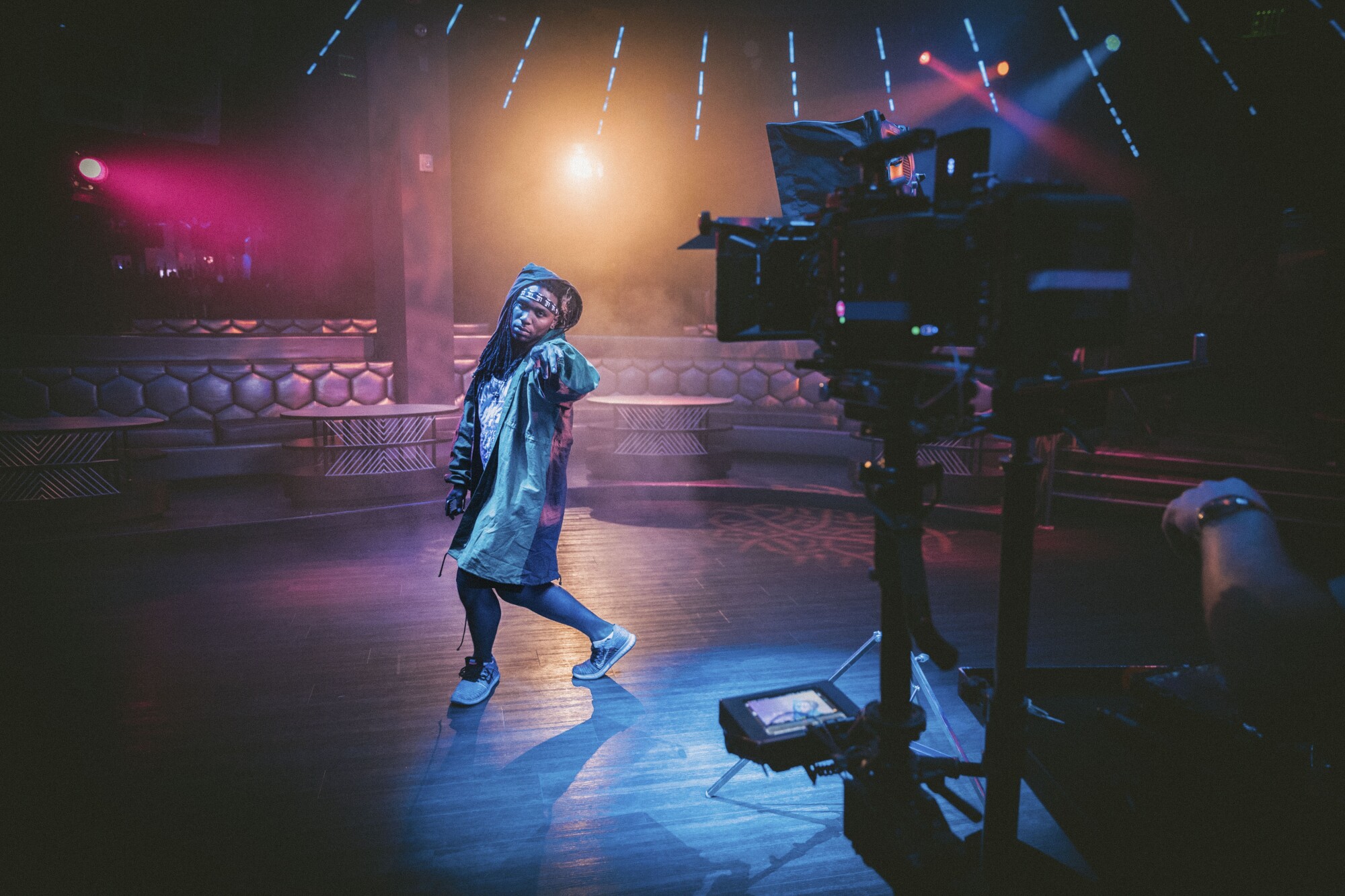
Entertain this notion: you're planning to film the best video the world has ever seen. You've crafted the most engaging storyline, hired the most talented actors, and found the perfect locations. But when you play back the first day's footage, something isn't right.
The actors seem to blend into the scenery. The dazzling colors of the setting look dull, and there's a lack of depth, a lack of emotion. It's like watching a sunset with your eyes half-closed - you're missing the whole spectacle.
What could be the culprit? One word - lighting! Getting your video lighting right is crucial to capture stunning locations and memorable movie moments on film.
Read on to learn how to take your video lighting to the next level!
Lighting in Film: The Master Puppeteer
Swinging our spotlight to the realm of cinema, we discover that lighting in film plays a role that's as significant, if not more so, than in video production. It's the director's silent accomplice, pulling the strings from behind the scenes, like a master puppeteer, choreographing a dance of light and shadows to stir up a symphony of emotions.
Let's take a little detour down memory lane. Remember the last time you sat huddled on your couch, heart pounding, watching a horror movie? The flickering lights, the ominous shadows, the sudden blackouts – didn't they make your heart beat just a little faster?
That's film lighting manipulating your senses, turning the psychological screws to make you jump at the slightest noise.
And then there's the opposite end of the spectrum. Picture a romantic film, where two lovers meet under a soft, warm glow that seems to envelop them, setting them apart from the world. This intimate scene is enhanced in a beautiful way by the magic of film lighting, giving an ethereal quality to their interaction and tugging at your heartstrings.
Guide Your Viewer's Attention
The role of film lighting extends beyond mood setting. It's a vital tool for storytelling. It's also one of the best ways for manipulating a scene's shadows, textures, and colors.
The interplay of light and shadow can reveal or conceal elements. It can guide the viewer's attention where it's needed most.
It also has the potential, for example, to accentuate the grim determination on a hero's face. Or it can highlight the tears welling up in a character's eyes, adding a depth of reality to the actors' performances.
Moreover, film lighting isn't a solo act; it works in harmony with the camera, the actors, and the set. Together, they form a beautiful ballet that breathes life into the director's vision.
The camera captures the scene, the actors bring the characters to life, the set adds authenticity, and the lighting ties them all together, creating a visual composition that resonates with the viewer on a visceral level.
Whether it's a high-octane action sequence, a tear-jerking drama, or a laugh-out-loud comedy, film lighting is that secret ingredient that elevates the scene from being merely watchable to truly memorable. It's a silent storyteller, weaving a tale that captivates your senses and leaves you engrossed in the story unfolding on the big screen.
A Journey Through the Types of Film Lighting
Picture a stage. It's time to meet the stars of the lighting world in film, the unseen heroes who can turn a scene from drab to dazzling. They are the key lighting, fill lighting, and backlighting, each with a unique role to play.
Let's take a look at what they are all about:
Key Lighting: The Spotlight Star
First up, we have key lighting, the principal source of light in a scene. Imagine the sun in a picturesque daytime scene or a resplendent chandelier in an opulent ballroom scene.
This lighting superstar is versatile. It can put on a bright and hard display, casting bold shadows that emphasize contrasts and sharp lines, much like a sweltering noon sun in a Western standoff.
On the flip side, key light can also turn on its soft and diffused persona, spreading a gentle glow that bathes the scene in warmth and subtlety. Envisage a candlelit dinner scene where the faces of the actors are gently illuminated, their features softened, and the mood romantic and intimate. That's the magic of key lighting in action.
Fill Lighting: The Perfect Companion
Meet the perfect partner to key lighting - fill lighting.
Its mission? To soften the shadows that the key light creates, providing balance and depth to the scene. It's like a loyal sidekick, ever-ready to smooth out the harsh contrasts and ensure that no character is hidden in deep, unflattering shadows.
Fill light is like the touch of a makeup artist, enhancing the scene without drawing attention to itself. It creates a sense of volume, giving objects a three-dimensional look and ensuring a balanced visual composition that's pleasing to the eye.
Backlighting: The Drama Queen
Last but certainly not least, is backlighting. This is the light that comes from behind the subject, outlining it with a halo-like rim of light. If the film lighting types were a rock band, backlighting would be the flashy lead guitarist, always ready to add some drama to the show.
Backlighting can make the subject stand out from the background, creating a three-dimensional feel. Imagine a detective standing in front of a window at night, his silhouette outlined by the city's neon lights. That's backlighting, adding a layer of mystery and intrigue.
In a different scenario, backlighting can create a divine halo effect around a character, giving them an ethereal, larger-than-life quality. Think of a heroine making a grand entry with the sunset behind her, a radiant halo of light outlining her figure. That's the drama queen, backlight, stealing the show!
And so each of these types of film lighting has a distinct role, and together, they can transform a scene, creating visual poetry that resonates with the audience. Whether it's a dramatic play of shadows or a subtle enhancement of features, film lighting is truly the magic wand in the realm of cinema.
The Art of Using Video Lights: Painting With Light
With a solid grasp of the different types of lighting, it's time to turn the theory into practice. It's one thing to understand the role of key, fill, and backlighting, but knowing how to use these in harmony to create a visually stunning video is where the true art lies.
You might be thinking you need an armory of sophisticated gear to achieve effective lighting, but let's dispel that myth right away. It's not about having the fanciest equipment; it's about using what you have, creatively and intelligently.
It's much like being a painter where you don't need a rainbow palette of colors to create a masterpiece. Sometimes, just black and white, when used skillfully, can craft a visual experience that's strikingly beautiful and impactful.
Embracing natural light can seem daunting, but it's a powerful ally when used wisely. Think about the difference between the soft, ethereal glow of early morning light and the stark, dramatic shadows created by the midday sun. Both provide different aesthetics and can be harnessed to convey different moods and emotions.
But What if You're Indoors?
You've got an array of practical lights at your disposal if you are shooting indoors. A table lamp in the corner, the overhead fixtures, and even the humble window letting in streams of sunlight can all help. These can be your secret weapons in creating depth and texture in your scenes.
A table lamp can create intimate, moody lighting for a close-up shot. An overhead fixture can evenly illuminate a larger area for a broader scene.
No matter your light source - be it the sun, an artificial light, or a practical light - the golden rule of using video lights remains the same. This rule is to guide your viewer's attention and create the desired mood and depth. You're the puppet master, orchestrating where the audience should look and how they should feel.
Should the viewer be drawn to the main character's facial expression? if so, use a key light to highlight it.
Want to create a sense of mystery? Play with shadows using backlighting.
Wish to add depth to a flat image? The fill light is your friend.
When you maneuver video lights with skill, you can transform your video from a flat, dull moving image into a captivating, dynamic visual narrative. A well-lit video is akin to a well-told story; it draws the viewer in, leaves a lasting impression, and makes the visual journey not just watchable, but truly memorable.
If you want to explore professional video production services that can offer you all these things, click this link.
Practical Lighting Techniques: Shaping the Light
Equipped with the fundamentals of video lights and their roles, let's turn our focus to some hands-on techniques that can enhance the visual impact of your video or film. It's not just about flipping a switch; manipulating light creatively can drastically elevate the aesthetic appeal of your production.
Here are some common practical lighting techniques to check out:
Bouncing Light for Soft Illumination
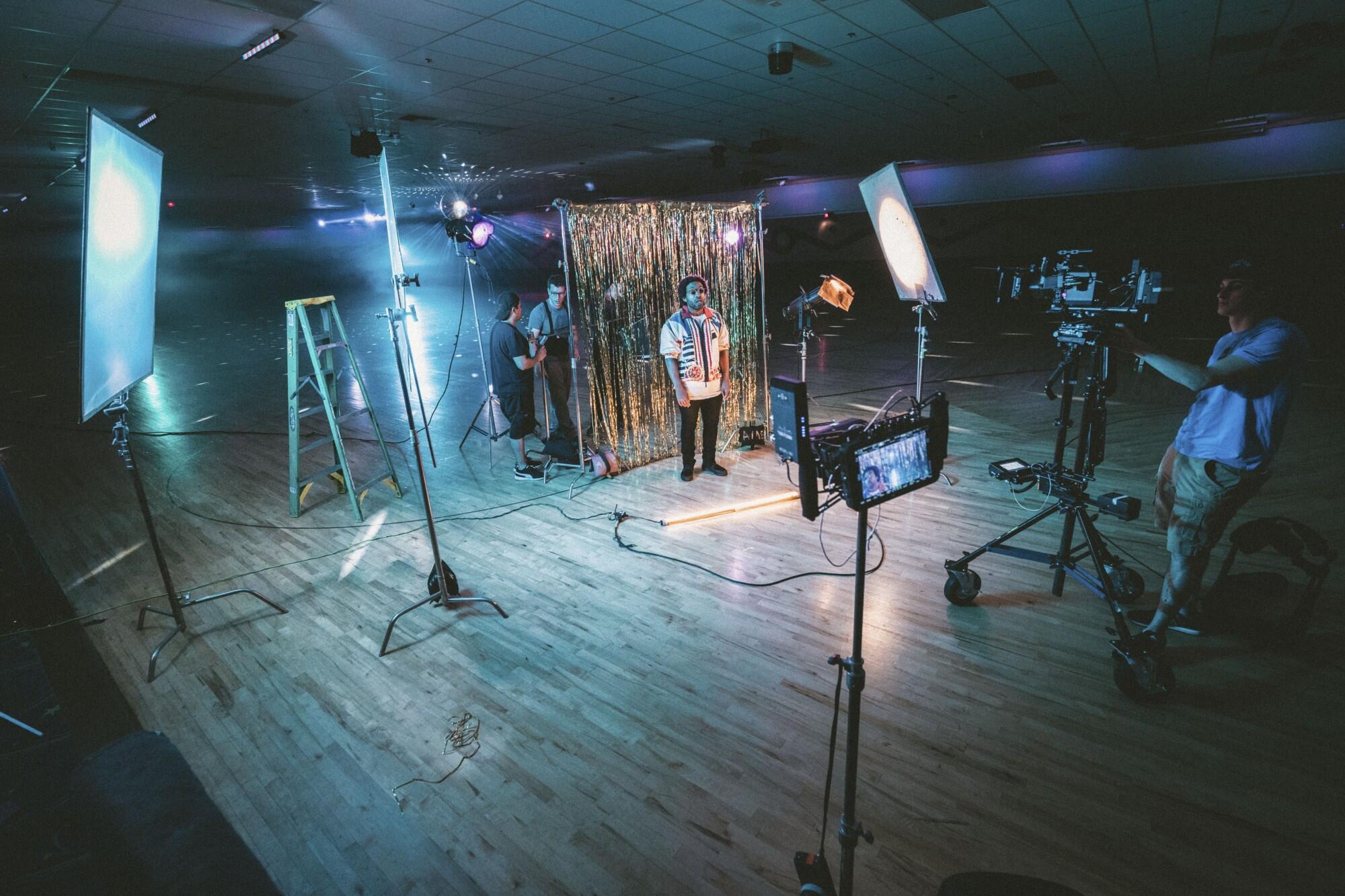
The first technique in our lighting toolbox is "bouncing light." This involves directing your light source onto a reflective surface, such as a white wall or a bounce board, which then scatters the light, reducing harsh shadows and providing a softer, diffused illumination.
This can be useful when trying to mimic the glow of natural light indoors. Or it can be a good technique to use for softening the harsh midday sunlight during outdoor shoots.
Flagging Light to Control Spill
The second technique, "flagging," refers to the practice of blocking unwanted light spill from a scene. This can be achieved using flags or cutters, which are essentially dark, non-reflective materials that absorb light.
Flagging can be invaluable in creating sharp light cut-offs. It can enhance the mood and adds a touch of dramatic flair to your scenes.
Using Gels for Color Effects
Lastly, let's explore the use of "gels" - thin, colored sheets that are placed over the light source to add a hue to your scenes. Want to create a romantic sunset or a creepy greenish tint for a horror scene? Gels are your go-to solution.
You can also use the gels to correct color temperature and match the color of the artificial light with natural light. When you do these things you can ensure a balanced, consistent look.
Check out our capabilities in video production here.
The Psychological Impact of Lighting: Playing with Emotions
Now that we've looked at the technical aspects, let's delve a bit into the psychological impact of lighting. It's not just about making your video look good; effective lighting can evoke emotions and create psychological effects, amplifying the narrative impact of your video or film.
Bright, evenly distributed light often conveys a sense of happiness, safety, or clarity. It's often used in comedy or romance genres to create a warm, inviting atmosphere. On the other hand, dark, shadowy lighting can evoke feelings of fear, suspense, or mystery, making it a favorite in horror or thriller genres.
Color, too, can play a significant role in evoking emotions. Warm colors like reds and oranges can create a sense of warmth and passion or even danger, while cool colors like blues and greens can convey tranquility or alienation, depending on the context.
Moreover, the direction and quality of lighting in video production can convey subtle cues about a character or situation. A character lit from above might look powerful or menacing, while one lit from below may appear eerie or sinister. Soft, diffused light can portray a character as likable or innocent, while harsh, direct light may reveal a character's flaws or hardships.
Check out some of our work if you want to see how we used lighting to portray different moods and emotions.
Video Lighting Is the Lifeblood of Your Video
So there you have it. Lighting in video production and film is like the unseen conductor guiding an orchestra, silently leading each element to play its part in perfect harmony. From setting the mood and revealing intricate details to guiding the viewer's attention and creating depth - lighting has an extraordinary power to evoke emotions and tell a story in a way that words often can't.
And if you're interested in getting award-winning video production with exceptional lighting, we at VIVA MEDIA can offer you just that! Connect with us here to find out more.




.svg)
.svg)
.svg)
.svg)
.svg)
.svg)
.svg)